
How to Eat Healthy on a Budget Without Buying Specialty Everything

If you have walked out of the grocery store wondering why the total keeps rising, you share the experience of many families.
I stood in the checkout line more than once and asked myself how feeding my family healthy food became so expensive.
For a period of time, the choice felt impossible.
Eat healthy or stay on budget.
As a busy mom balancing work, school schedules, and family life, the tension felt constant.
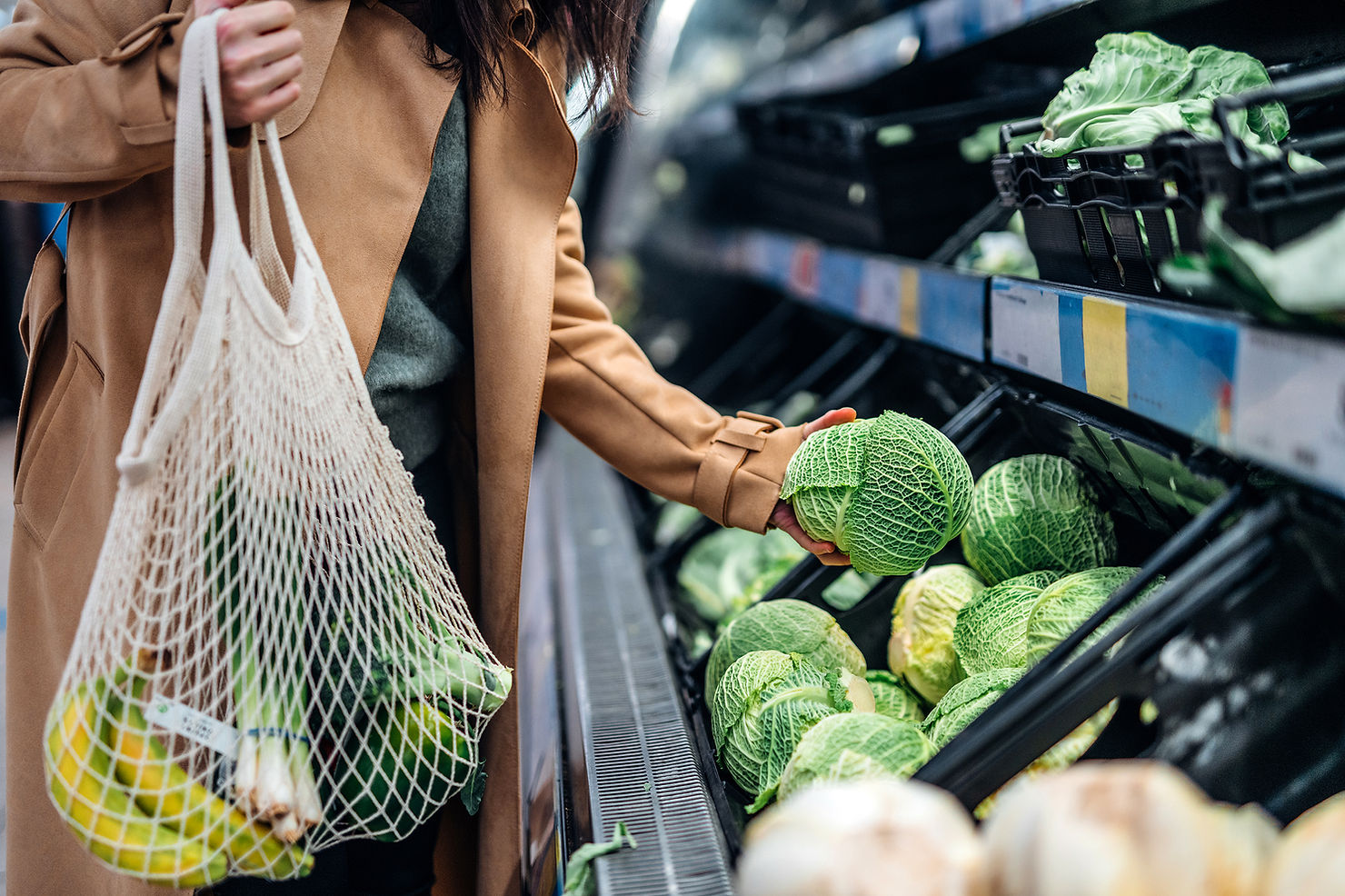
Ingredients matter. Food affects energy, mood, and long-term health. Your family deserves a strong nutritional foundation.
Your grocery bill also matters.
The wellness industry often sends the message you must buy specialty products to eat well.
You do not.
Healthy eating requires structure.
The Problem With How Most People Grocery Shop
Many people grocery shop in one of two ways.
Recipe-Based Shopping
You find a recipe online.
You buy every ingredient needed for the meal.
Several ingredients get used once. The rest sit in the pantry for months.
Then the cycle repeats with the next recipe.
Your cart fills quickly. The bill climbs. You still lack a plan for the rest of the week.
Impulse “Healthy” Shopping
You walk through the store adding items that look healthy.
Organic products. Superfoods. New trending ingredients.
You reach home with a cart full of items that do not combine into real meals.
Both methods create the same result.
-
Higher grocery spending
-
Food waste
-
No consistent meal plan
What Changed My Grocery Budget
I stopped shopping by recipe.
I stopped chasing every new health product.
I began shopping with structure.
Instead of planning meals first, I buy components for balanced plates.
Protein. Produce. Fiber-rich carbs. Healthy fats.
These building blocks allow you to mix and match meals across the week.
Benefits of this approach
-
Lower grocery costs because you avoid long ingredient lists
-
Less food waste because everything gets used
-
Flexibility when plans change
-
Faster decisions when cooking
This structure mirrors the framework taught inside the Wellness Makeover program.
The Simple Grocery Budget Framework
Use four steps when building your weekly grocery list.
1. Choose Two to Three Affordable Protein Anchors
Protein forms the base of balanced meals.
Budget-friendly protein options
-
Ground beef
-
Chicken thighs
-
Eggs
-
Greek yogurt
-
Cottage cheese
-
Beans
-
Lentils
-
Canned tuna or salmon
-
Rotisserie chicken
Strategy
Choose two or three proteins and use them several ways across the week.
Example:
Ground beef:
-
tacos
-
pasta sauce
-
stuffed peppers
Eggs:
-
breakfast scrambles
-
hard-boiled snacks
-
vegetable frittata
Black beans:
-
bowls
-
salads
-
quesadillas
You purchase versatile ingredients instead of separate proteins for every meal.
2. Build Around Simple Produce
Healthy eating does not require exotic vegetables.
Frozen vegetables
Frozen produce holds the same nutrition as fresh options. Vegetables get frozen at peak ripeness, last longer, and reduce waste.
Common staples:
-
broccoli
-
spinach
-
mixed vegetables
-
Brussels sprouts
Buy seasonal produce
Seasonal items cost less because supply increases.
Winter produce often includes:
-
squash
-
cabbage
-
root vegetables
Summer produce often includes:
-
tomatoes
-
zucchini
-
berries
Buy whole vegetables
Pre-cut vegetables save time but cost more. When budget matters, buy whole vegetables and cut them yourself.
Organic choices
Buying organic produce for every item increases grocery costs.
If you prioritize organic options, focus on the Dirty Dozen, which often includes:
-
strawberries
-
spinach
-
apples
-
grapes
Conventional produce still supports good health.
Do not skip vegetables because organic options exceed your budget.
Example weekly produce staples
-
frozen broccoli
-
frozen spinach
-
baby carrots
-
bananas
-
apples
-
leafy greens on sale
-
one seasonal vegetable
3. Add Fiber-Rich Carbohydrates
Carbohydrates provide energy, fiber, and satiety.
Focus on fiber-rich options.
Budget-friendly carbohydrates
-
potatoes
-
sweet potatoes
-
rice
-
oats
-
lentils
-
quinoa
-
whole grain bread
-
tortillas
-
pasta
-
fruit
Strategy
Choose two or three staple carbohydrates each week.
Example:
Potatoes
-
roasted for dinner
-
breakfast hash
-
baked side dish
Oats
-
breakfast bowls
-
overnight oats
-
smoothie add-ins
Rice
-
grain bowls
-
stir-fries
-
side dishes
4. Add One or Two Enjoyable Items
Meals must stay enjoyable.
A grocery list filled with strict health foods often leads to takeout or overeating later.
Budget-friendly enjoyable items
-
salsa
-
hummus
-
guacamole
-
pesto
-
dark chocolate
-
favorite cheese
-
tortilla chips
-
ice cream
Choose one or two foods that make home meals enjoyable.
What This Looks Like in Practice
Example grocery week:
Proteins
-
ground beef
-
eggs
-
black beans
Produce
-
frozen broccoli
-
spinach
-
baby carrots
-
bananas
-
apples
-
bell peppers
Fiber-rich carbohydrates
-
potatoes
-
oats
-
rice
Enjoyable items
-
salsa
-
dark chocolate
Meals built from these ingredients:
Breakfast
-
scrambled eggs with spinach and potatoes
-
oatmeal with banana and almond butter
Lunch
-
taco bowls with ground beef, rice, beans, salsa, and peppers
-
leftovers
Dinner
-
pasta with ground beef and roasted broccoli
-
sweet potato and black bean bowls
-
vegetable frittata with potatoes
Snacks
-
hard-boiled eggs
-
apples with almond butter
-
carrots with hummus
-
dark chocolate
Instead of buying ingredients for twenty-one separate meals, you purchase versatile components used across the week.
What I Stopped Buying
Switching to this framework reduced waste and grocery spending.
Items removed from my cart:
-
specialty superfoods used once
-
organic versions of every product
-
pre-made healthy convenience foods
-
ingredients for one-time recipes
-
trending ingredients without a clear use
Examples include:
-
chia seeds
-
specialty flours
-
expensive protein bars
Money-Saving Grocery Strategies:
These habits reduce grocery spending quickly.
Buy protein in bulk
Purchase larger packages of meat and freeze meal-sized portions.
Use dried beans
Dried beans cost far less than canned options. Cook a large batch and freeze extra servings.
Shop sales
Stock up on pantry staples when they go on sale.
Cook extra for leftovers
Prepare larger dinners and use leftovers for lunch.
Eat before shopping
Shopping while hungry increases impulse purchases.
Focus on the perimeter
Produce, meat, and dairy often sit along the outer edges of grocery stores. Many expensive processed foods sit in the center aisles.
Simple Meal Prep
Meal prep does not need to take hours.
Simple preparation saves time.
Examples:
-
boil a dozen eggs
-
wash and chop vegetables
-
cook a large batch of rice
-
brown ground beef for the week
These steps shorten cooking time during busy evenings.
The Mindset Shift
Healthy eating often looks different from social media images.
Meals do not require elaborate presentations.
Real family meals often look like:
-
scrambled eggs with spinach
-
black bean tacos
-
roasted chicken with potatoes and broccoli
Simple meals still deliver balanced nutrition.
Consistency matters more than presentation.
Learn a simple way to build balanced meals without tracking or stress.
The Plate It Method shows you how to balance protein, carbs, fats, and veggies in a way your body can use.
The Bottom Line
Healthy eating can work within a realistic grocery budget.
Focus on four principles:
-
Shop with structure instead of recipes
-
Choose versatile proteins
-
Buy simple produce
-
Include fiber-rich carbohydrates
Add one or two enjoyable foods so meals stay satisfying.
This structure reduces food waste, lowers grocery bills, and supports balanced meals for the entire family.
Healthy eating does not require specialty products.
Structure creates results.
Stay connected with news and updates!
Join our mailing list to receive the latest news and updates from our team.
Don't worry, your information will not be shared.
We hate SPAM. We will never sell your information, for any reason.
